How AI Literacy Prepares Students for a Changing Workforce
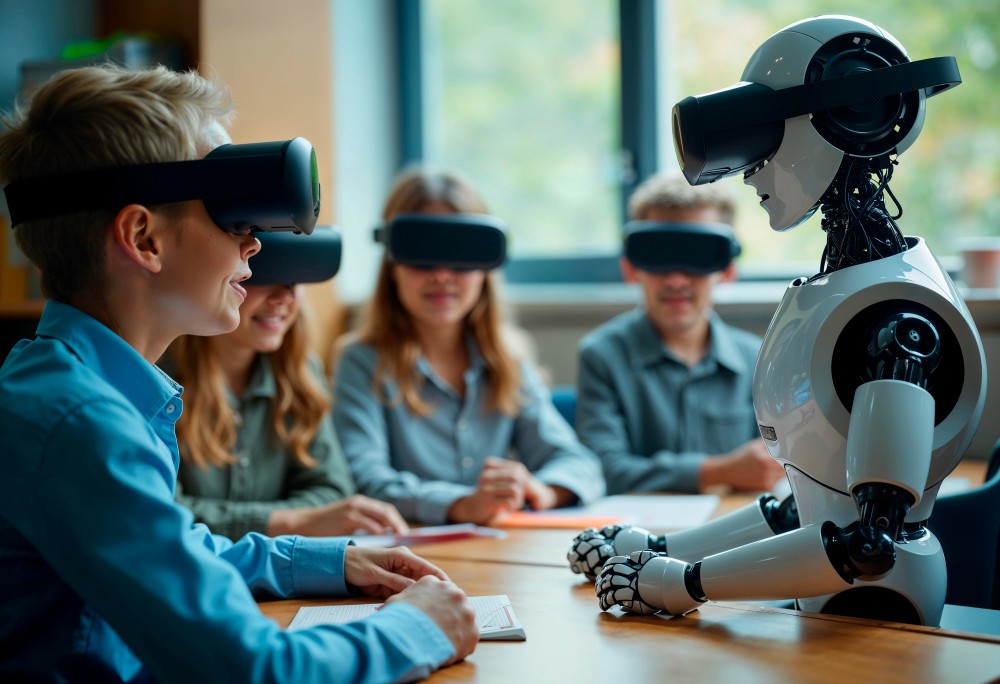
Artificial intelligence is becoming a natural part of daily life. It helps doctors analyze medical data, assists engineers with design, and supports businesses in making decisions. Students who understand AI early learn to use it as a tool rather than a mystery. AI literacy prepares them for a future where technology and human ability must work together.
AI literacy is not about mastering complex algorithms. It means understanding how AI works, what it can do, what it cannot do, and why responsible use matters. Students who develop these skills learn to question information, think critically, and innovate with purpose.
Understanding how AI makes decisions builds critical thinkers
AI systems learn from patterns, examples, and data. When students understand this, they learn that AI does not think like a human. It predicts outcomes based on what it was trained on. This leads to important questions.
Where did the data come from. Who designed this model. What could cause bias in the results.
These questions help students avoid blind trust in technology. They learn to evaluate AI output the same way they evaluate any source of information. This habit strengthens critical thinking and prepares them for environments where digital systems influence real decisions.
AI literacy teaches students to use technology responsibly
AI is powerful, and power requires care. Students need to learn about digital ethics, privacy, and respectful use of tools. When they understand how data is collected, they become more mindful of what they share. They begin to see information as something valuable that can affect others.
Responsible use also includes honesty. AI generated work is not the same as original thinking. Students learn to treat AI as a helper, not a shortcut. These lessons build integrity that will benefit them in school, careers, and personal life.
Creativity becomes stronger when AI supports ideas
AI is sometimes misunderstood as a replacement for imagination. In reality, it amplifies creativity. Students can use AI to brainstorm ideas, test models, or analyze patterns. They might explore how AI identifies objects or how it predicts trends. These activities inspire curiosity.
AI provides more tools to shape ideas. Students can produce digital art, simulate scientific concepts, or investigate real world problems. When AI becomes a partner in exploration, students feel confident experimenting. Their creativity grows because they are not afraid to try.
AI literacy prepares students to adapt and learn
The job market changes fast. New tools appear and old tools disappear. Students who understand how to adapt will thrive. AI literacy teaches them that technology is never fixed. It evolves, updates, and improves, and people must do the same.
Students learn that success does not come from memorizing information. It comes from learning how to learn. This mindset is essential in every modern field including medicine, engineering, business, and design. Those who embrace learning become lifelong problem solvers.
AI skills open doors to emerging careers
Many career paths involve artificial intelligence. Software developers, engineers, data analysts, and researchers work with AI daily. Even fields outside traditional tech benefit from AI knowledge. Architects use it for modeling. Educators analyze learning patterns. Marketers review consumer insights.
Students who understand AI early do not view these tools as intimidating. They see them as opportunities. They learn how AI can automate tasks, support decision making, and solve challenges at scale.
Students become innovators when they understand technology
AI literacy does more than prepare students to use tools. It helps them imagine new ones. Once they understand how AI works, they begin to notice real world problems. They start thinking about how technology could help solve those issues. A student might design an AI tool to support accessibility or improve environmental monitoring.
When students view AI as a path to solutions, they shift from users to inventors. They understand that the future is not something that happens to them. It is something they can shape.
AI literacy empowers students to grow in a digital world
Learning how AI works builds essential skills. Students develop digital awareness, responsibility, creativity, adaptability, and strong thinking habits. These abilities matter in every academic or career path. Understanding AI early helps students become confident learners who can contribute to an evolving world.